Yemen Programme

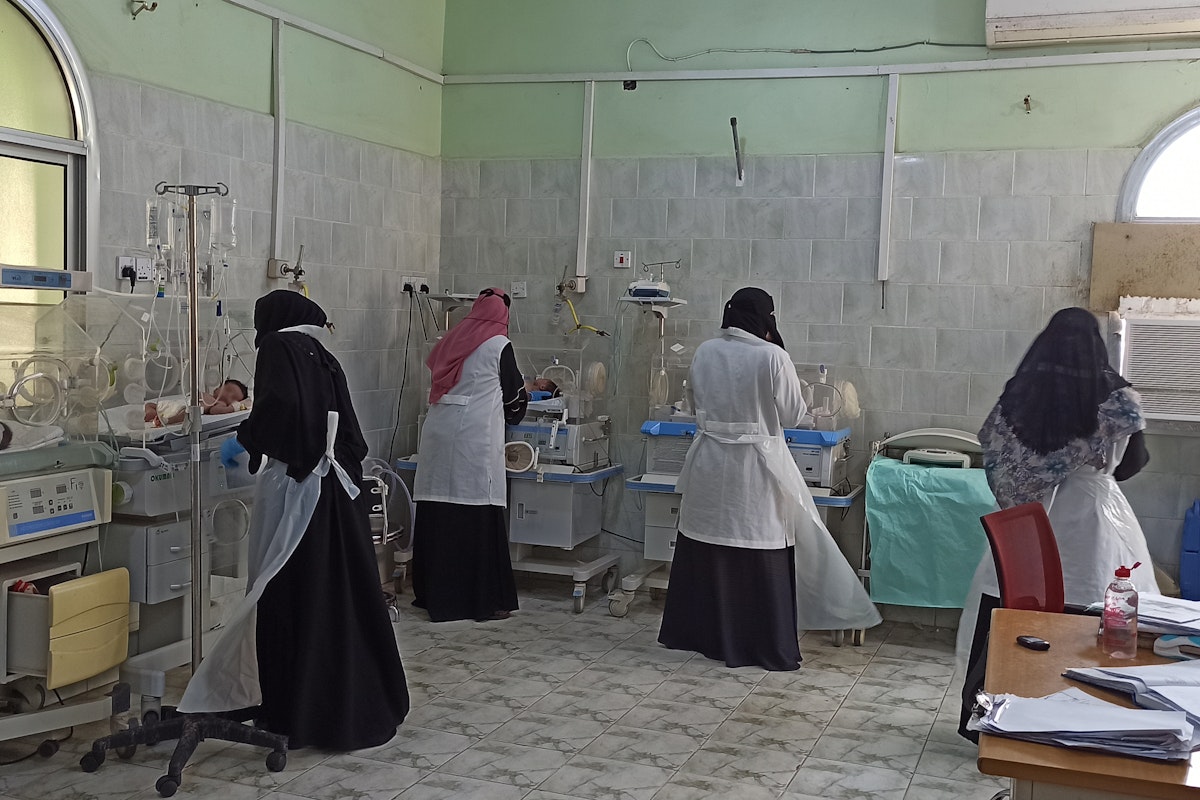
GSK and Save the Children worked together for over 10 years in Lahj Governorate, southern Yemen, to help more children and families access quality maternal, newborn and child health and nutrition services. We supported health centres and community health services to bring effective advice, treatment and life-saving care in a country that is still living through the worst humanitarian crisis in the world.

Programme highlights 

Supporting maternal, newborn and child health

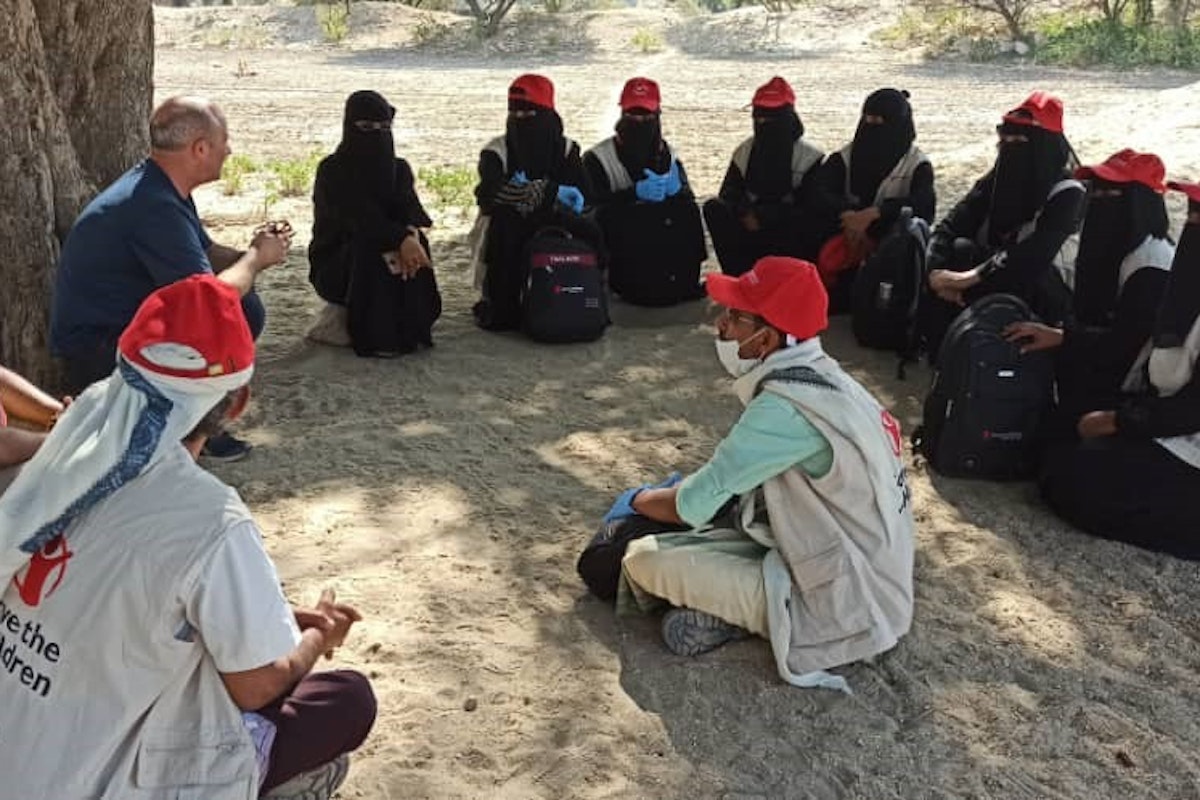
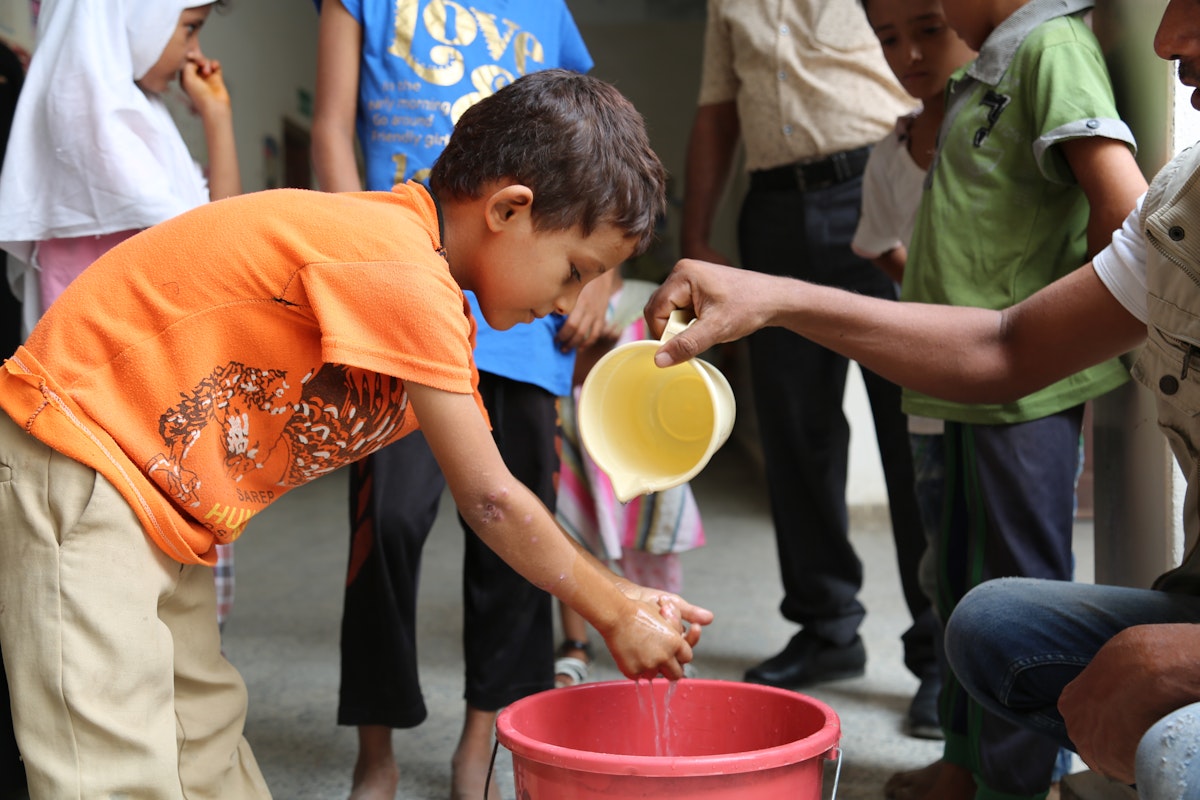
Working closely with the Ministry of Public Health, we helped keep health centres running so more than 120,000 people could get the critical care they needed. We also worked with a network of trained Community Health Workers and Volunteers to provide health services to families in remote rural communities, including diagnosing and treating key childhood illnesses – like diarrhoea, malaria, pneumonia, and malnutrition – and referring urgent cases to health centres. We ran campaigns and activities to raise awareness and help increase communities’ knowledge of maternal, newborn and child health and nutrition. As a result, more families started using the healthcare available to them.

Improving experience of care

We introduced a new approach for assessing the quality of care. We regularly asked children and families about their experience of care in health centres and fed this back to health centre staff. This simple but effective method helped the staff to make small changes, such as the way they give information to patients, treating patients with equity, providing privacy and communicating with kindness, which improved the overall experience of patients. And helped ensure children and families continue to access care when they need it.

Adapting to crises

We developed and tested an innovative framework called a Crisis Modifier to anticipate and respond to unpredictable but likely crises in unstable settings. This enables us to prepare and react even faster when a crisis hits, allowing programmes and services to continue with minimal disruption. The Crisis Modifier was first used when Covid-19 rapidly spread in April 2020, helping us to make decisions quickly and take actions so our programme and essential health services could keep running when families needed them more than ever.

Stories

Fadia's story
Meet Fadia, a community Health Worker who supported communities in remote areas of Yemen during the Covid-19 pandemic. 
Baby Marwan's story

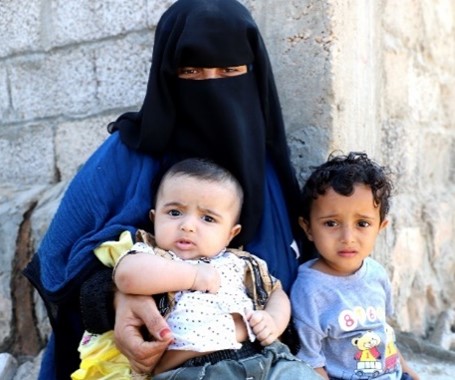
Eisha is grandmother to two young boys, Kamal and Marwan. She lives in Al Baha district in Lahj governate of Yemen. She explains how the family have been struggling to afford enough nutritious food. 

“My son-in-law is the only breadwinner for his family. He is paid one salary every four months which barely covers our basic living expenses. Now with the staggering increase of the prices of food, his income is no longer enough. We eat three meals a day starting with the breakfast which is usually just bread and tea. The lunch consists of rice and maybe fish once a week and for dinner we have again bread and tea. We lack varied and nutritious food.” 

When Eisha’s daughter had her first child, Kamal, he was underweight and very weak. Eisha was very concerned for his health. 

“When he was seven months old, Save the Children volunteers visited our home and conducted all necessary check-ups and measurements which showed that he weighed much less than a child in his age and provided us with adequate nutrition supplies. Visits to our house then became regular. We were visited once every two weeks and, in each visit, we had received nutrition supplies until my grandson recovered and got healthier. 

“I want to thank Save the Children for the free of charge pre- and post-natal services.” 
image credit

Hadil Saleh / Save the Children