Kenya Programme

GSK and Save the Children started working in Busia and Bungoma counties of Kenya in 2013 and expanded to 15 more counties in 2018. Our programme aimed to reduce maternal and newborn mortality and morbidity rates by improving health services for mothers and babies. To achieve this, we focused on helping more people access good-quality health services, informing and encouraging communities to use these services, and advocating for more investment and support for health locally and nationally. .

Programme highlights 

Preventing newborn infections with Chlorhexidine

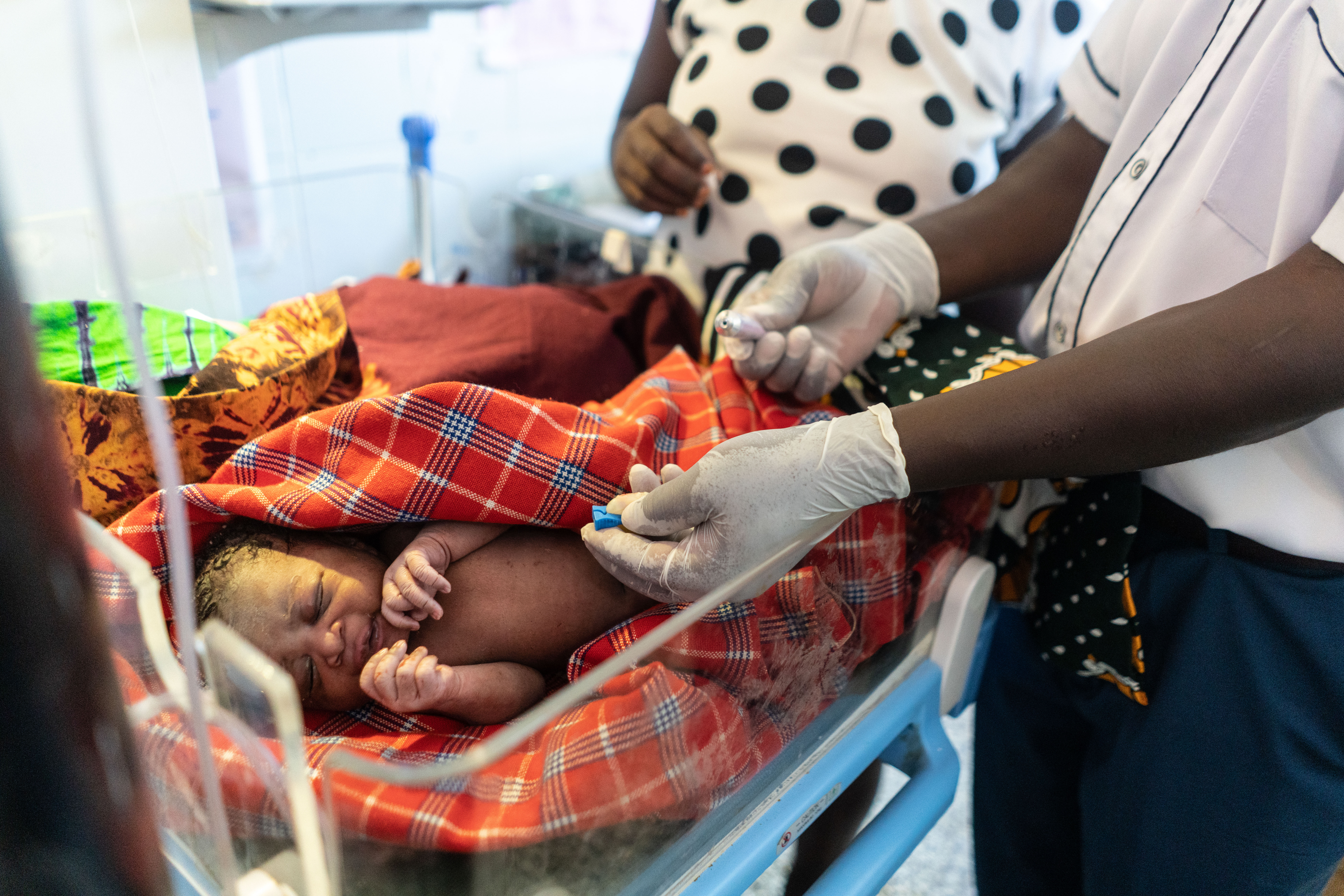
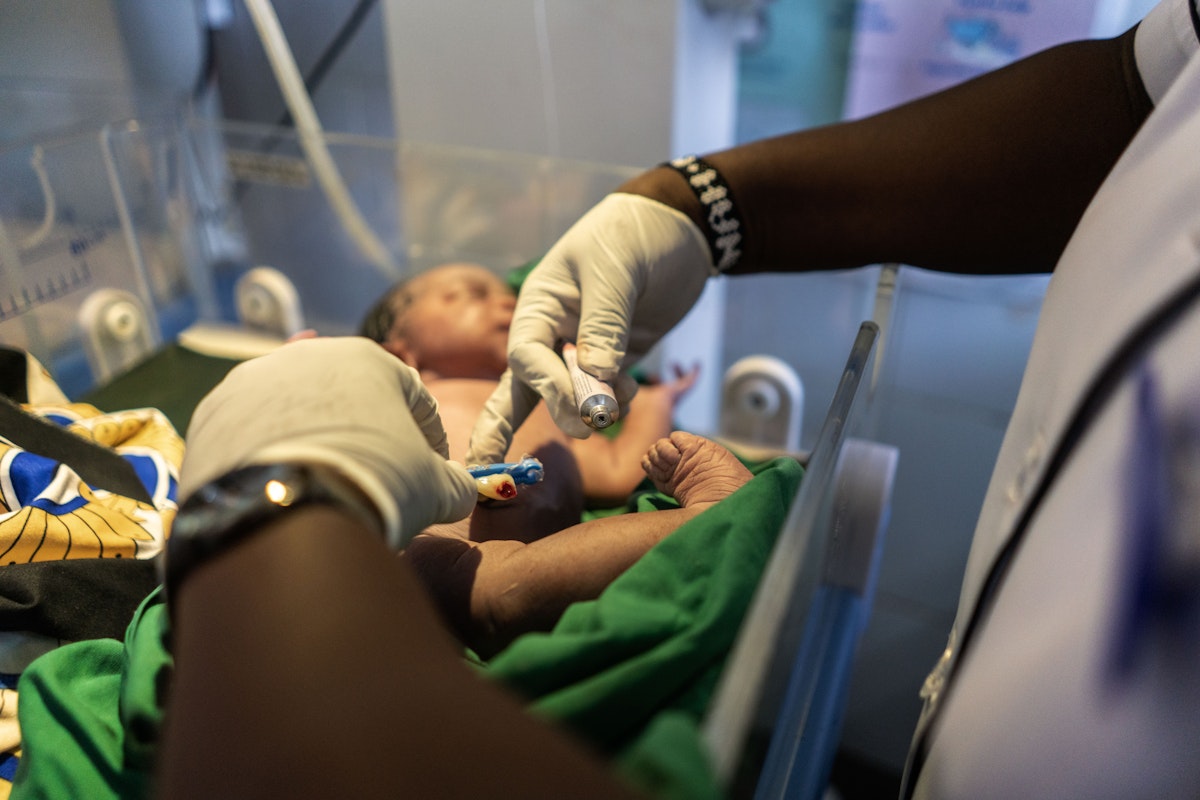
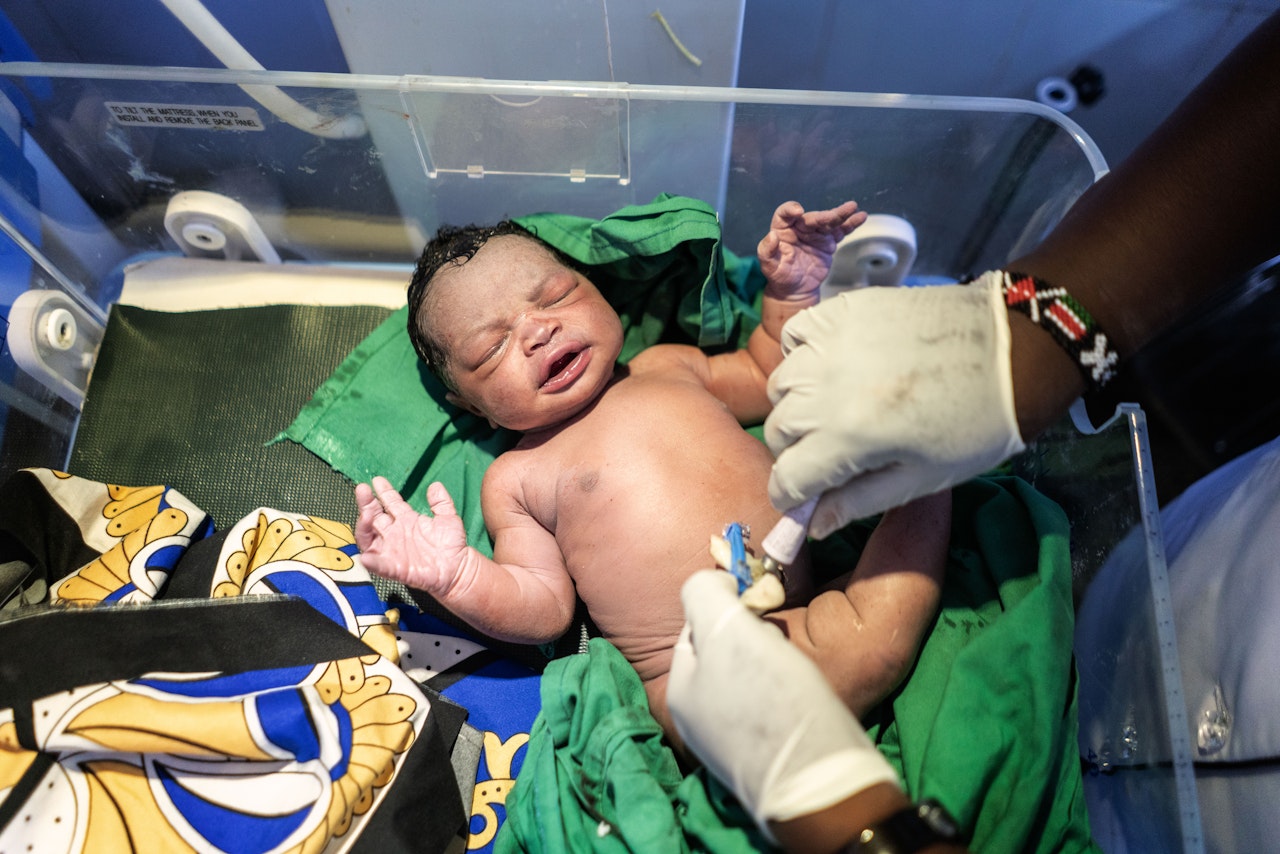
Neonatal sepsis is a bacterial blood infection. It kills 400,000 babies each year but can easily be prevented. We worked together to reformulate an antiseptic used in a GSK mouthwash called chlorhexidine (CHX) to create a gel that prevents umbilical cord infections that could lead to neonatal sepsis. Combining GSK’s science, regulatory and manufacturing expertise with Save the Children’s insights and expertise in supporting vulnerable families, the gel has been specifically designed for remote communities. It is heat-stable to endure long, hot journeys without need for refrigeration, and is in single use tear open sachets so it can be easily used.  

In collaboration with the Kenyan Government, we introduced the use of CHX gel into health clinics in 17 counties, increasing the percentage of babies that received CHX for cord care from 25% in 2019 to 75% in 2021. By promoting the adoption and integration of CHX gel into routine clinical practice, we helped protect more than 400,000 babies’ umbilical cords in 2021. CHX is now available in all counties in Kenya and around 67% of all babies receive CHX protection.

Promoting Kangaroo Mother Care

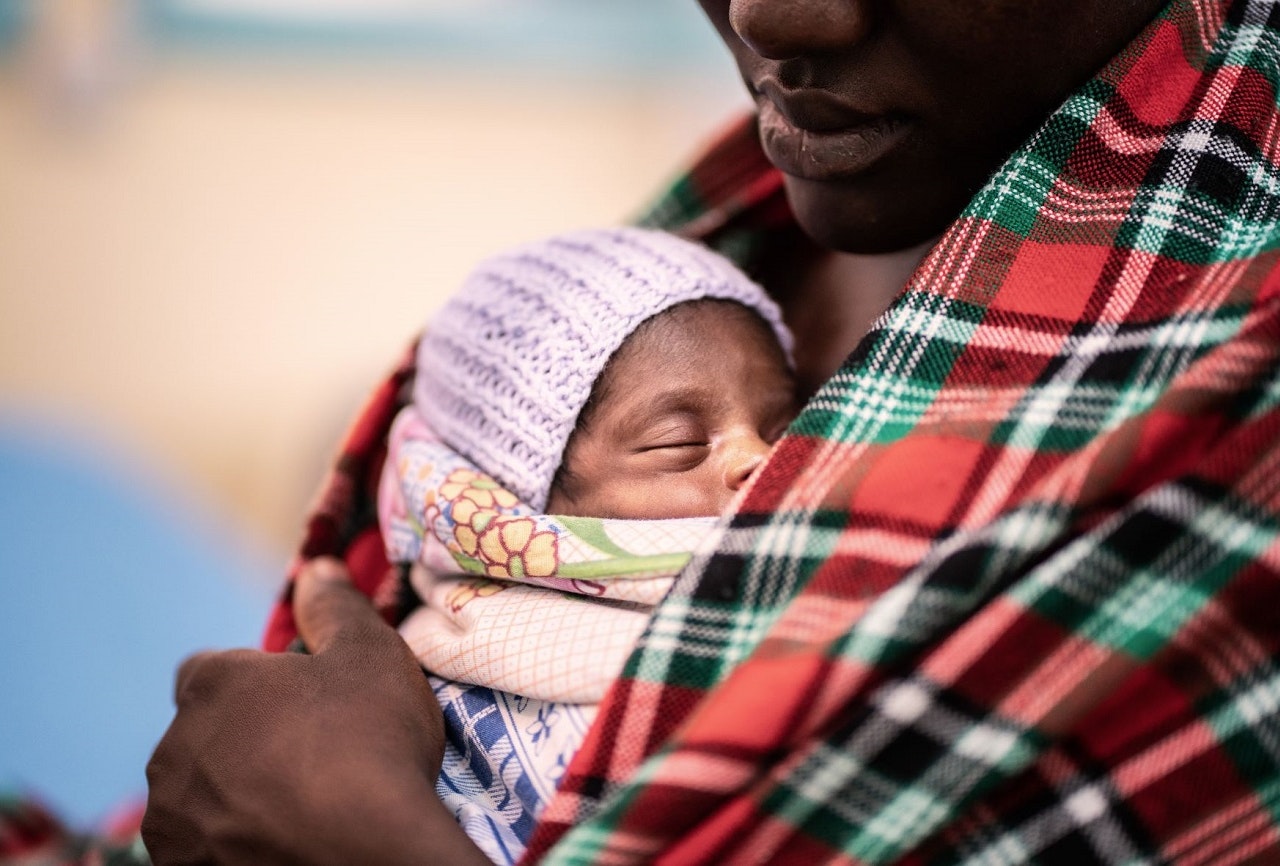
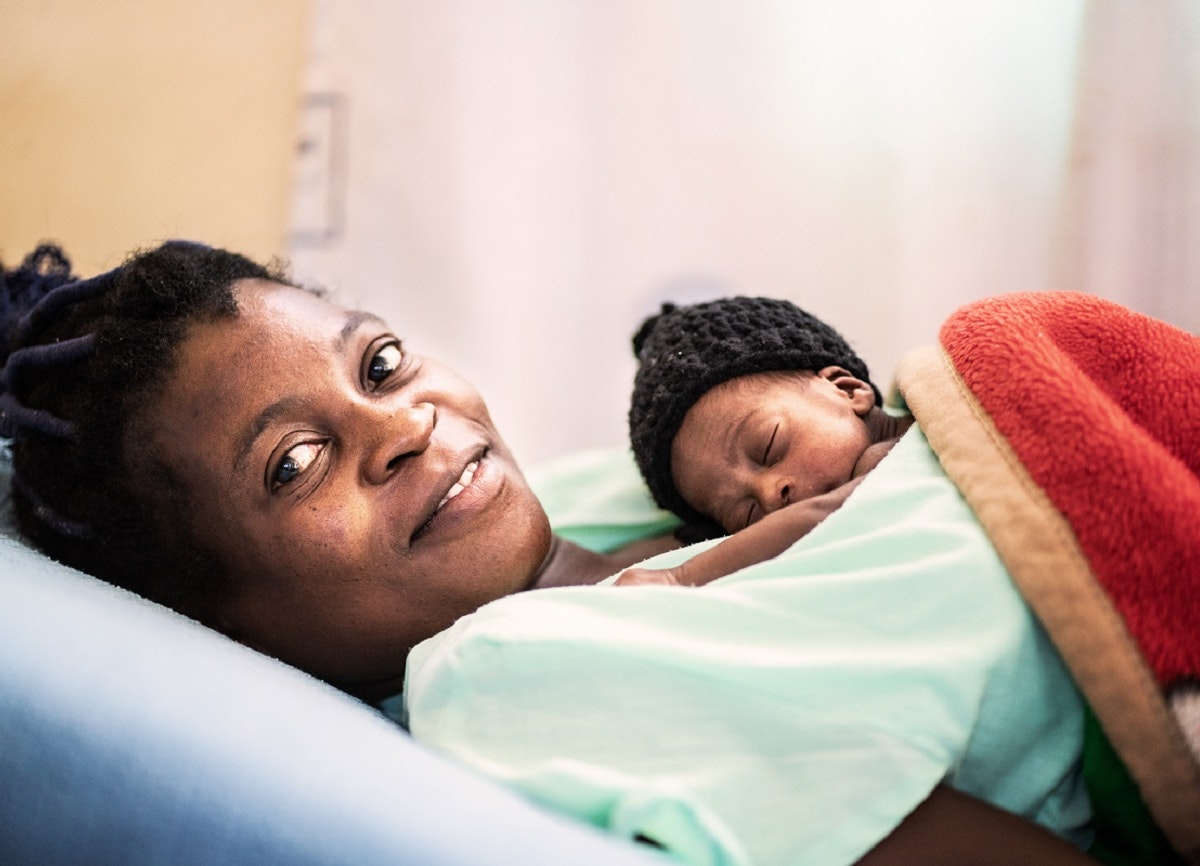
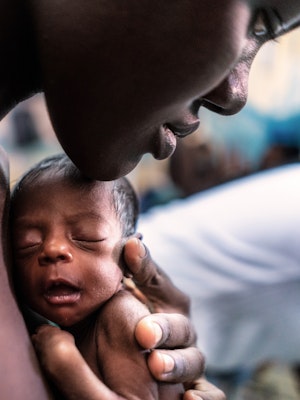
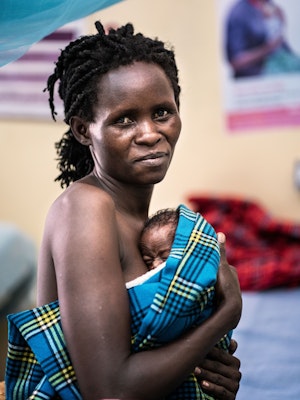
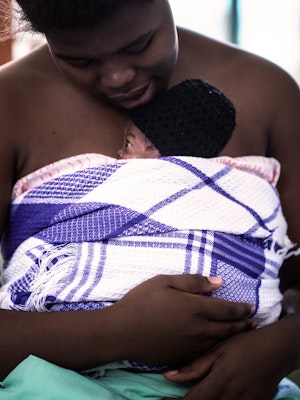
Kangaroo Mother Care (KMC) is an effective method of reducing mortality for low weight and pre-term infants. The baby maintains skin-to-skin contact, usually with their mother, which acts as an incubator to keep the baby warm and safe, as well as improving breastfeeding and growth, and their ability to fight infection.

Working with the Ministry of Health, clinicians, and communities, we helped expand this cost-effective method in 18 counties. Across 85 health centres, the proportion of babies receiving KMC rose from 9% to 54%. We also advocated for KMC to become normal practice across all health services nationally, so the sickest and smallest babies will be supported in future.

Advocating to improve health

Through our advocacy, we helped improve policies and practices for maternal and newborn health in Kenya. We successfully contributed to a revision of health reporting tools to include indicators at the national level for KMC and CHX. This helps hold national authorities accountable and encourages them to provide both these services and keep promoting them after the programme has ended. We worked with others to ensure that critical treatments, like vitamin D3 and elemental iron for preterm and low birth weight babies, were included in the 2019 Kenyan Essential Medicines list. And finally, we advocated for counties to increase their health budgets, as we know that more local and national funding for health is a crucial part of achieving Universal Health Coverage

Stories

Bethwel's story

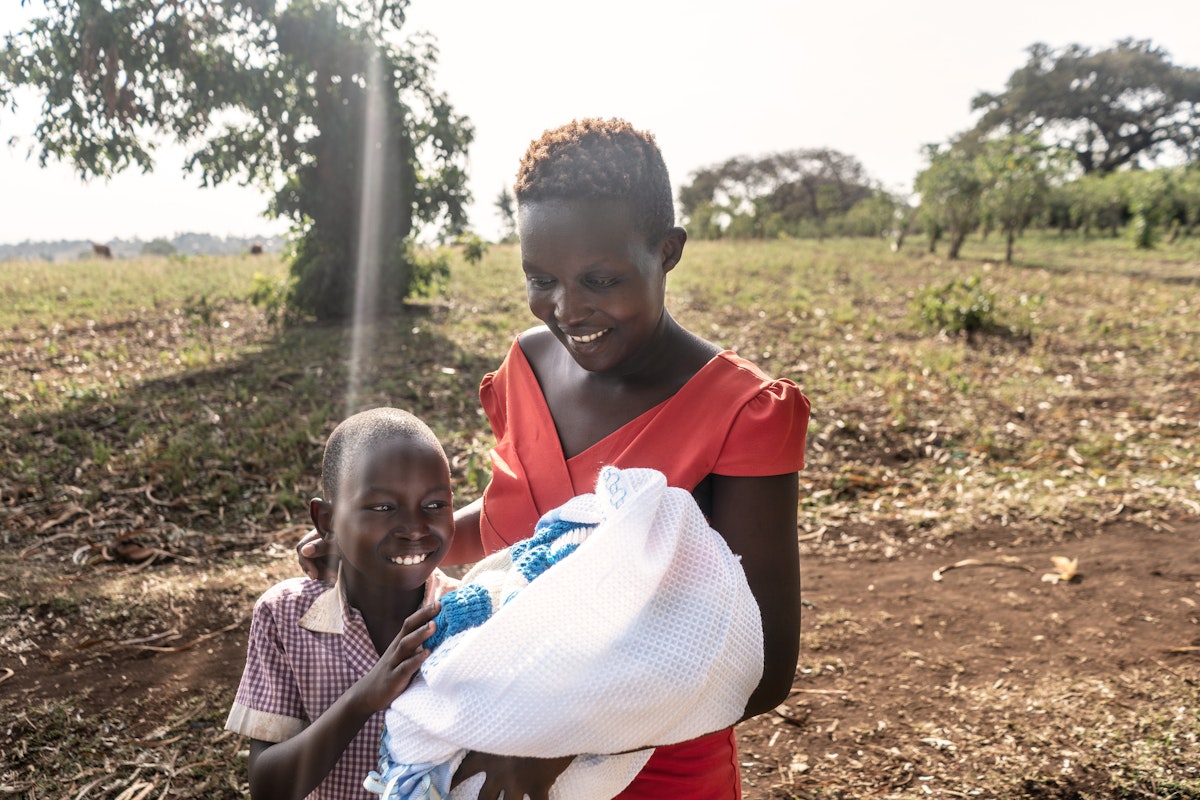
“I want my small sister to grow big and become a police officer,” says Bethwel, who just became a big brother to baby sister Alma.  

Alma is just four days old and was born prematurely in a Save the Children and GSK supported hospital in Bungoma, Kenya. 

Their mother Maureen explains, “I was shocked because she was not like my first-born child. He weighed 3 kilograms at birth and was chubby. I gave birth to this one  who was so small that I hardly had a place to hold. I was terrified.”  

At the hospital, Maureen practiced Kangaroo Mother Care (KMC) with baby Alma. KMC is a skin-to-skin connection between mother and baby, where the baby is held to the mother's chest using a sling for many hours. This helped Alma with feeding and bonding with her mum.  

Now Maureen has been able to go home and introduce baby Alma to her big brother Bethwel.  

“When she is grown, she will pursue her education to a high level. I will show her love,” says Maureen.  

“I feel good that my mother has come home with a baby,” Bethwel says. He not only hopes his little sister will be a police officer, but he hopes to join her too - “When I grow up, I will also become a police officer!”
Diana's story

“I was told that chances of survival were low. I had no more hopes.” Diana, pregnant with her first child, went into early labour.  

Diana was transferred from her local health center in Bungoma, Kenya, to a hospital with a specialist ward for premature births.  

“They encouraged me, and they gave me hope," she says. Diana’s baby, Blessings, weighed just 1kg when she was born. The pair have been staying in the Save the Children and GSK supported hospital for five weeks.  

During this time, Diana practiced Kangaroo Mother Care with baby Blessings.  

“I feel so comfortable because I'm bonding with her,” Diana says.  

Diana is determined to encourage other mothers in a similar position to her “They need to have courage, they need to accept the situation, and have hopes.” 

image credit

Fredrik Lerneryd / Save the Children